
ScienceNewsAPI
'We’re constantly surprised': The strange deep-sea creatures that eat whales - BBC
Overview
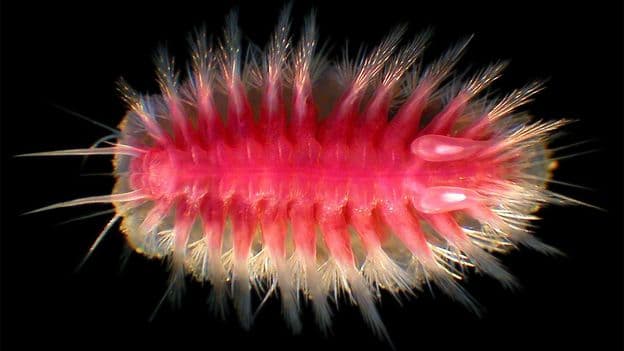
When a whale dies and sinks, its carcass becomes a concentrated island of nutrients on the deep-sea floor, supporting a succession of specialized scavengers and microbes. Strange organisms — from bone-eating worms and bacterial “snot-flowers” to snowboarding scale worms and large rattail fish — colonize these whale falls, sometimes at depths near 4,000 meters, and studies have even found human-derived contaminants can reach these habitats. High-profile rescue efforts like the operation to save Timmy off Germany show active human attempts to prevent some whale deaths, potentially reducing inputs to deep-sea ecosystems, while also increasing public interest in both the lives and deaths of these animals.
Entities
ORGBBCLOCdeep seaLOCocean
Relationship Graph
Click a connection line between nodes to view confidence and evidence.
Nodes: 6 · Connections: 5
Caused by
Led to
Related to
Same event
Press enter or space to select a node. You can then use the arrow keys to move the node around. Press delete to remove it and escape to cancel.
Press enter or space to select an edge. You can then press delete to remove it or escape to cancel.
Click a connection for evidence · click a node to open it
Select a connection to see why these events are linked.