
ScienceNewsAPI
First detailed ‘smell maps’ reveal how noses track odours - Nature
Overview
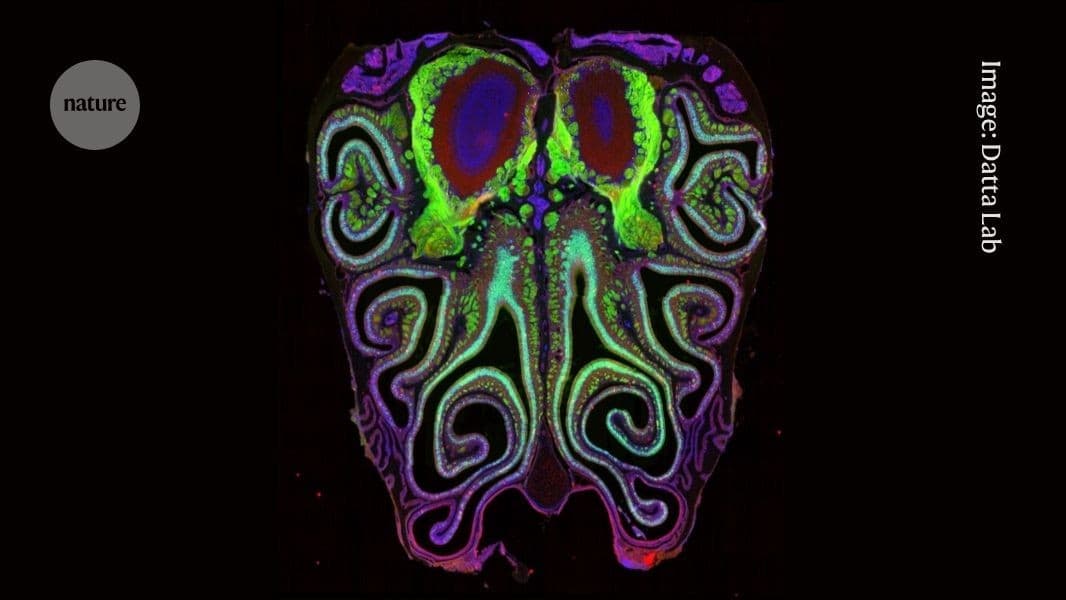
Researchers created the first high-resolution maps of olfactory receptors across the mouse nasal epithelium, overturning longstanding textbook models of receptor organization. Media coverage has framed the findings as revealing a once 'lost' map of smell, bringing broader attention to the study's implications. The maps reveal unexpected spatial arrangements of receptor types, showing that receptor organization outside the brain can profoundly shape neural signaling and behavior. A new Nature study mapping expanded motor cortical projections in a singing mouse complements this work by applying similarly detailed mapping to motor circuits, together illustrating how precise anatomical organization — both peripheral and central — underpins specialized behaviors.
Entities
ORGNatureORGDatta Lab
Relationship Graph
Click a connection line between nodes to view confidence and evidence.
Nodes: 4 · Connections: 3
Caused by
Led to
Related to
Same event
Press enter or space to select a node. You can then use the arrow keys to move the node around. Press delete to remove it and escape to cancel.
Press enter or space to select an edge. You can then press delete to remove it or escape to cancel.
Click a connection for evidence · click a node to open it
Select a connection to see why these events are linked.