
ScienceNewsAPI
Astronomers Spot Previously Unknown Space ‘Cavity’ That’s Quietly Protecting the Moon - Gizmodo
Overview
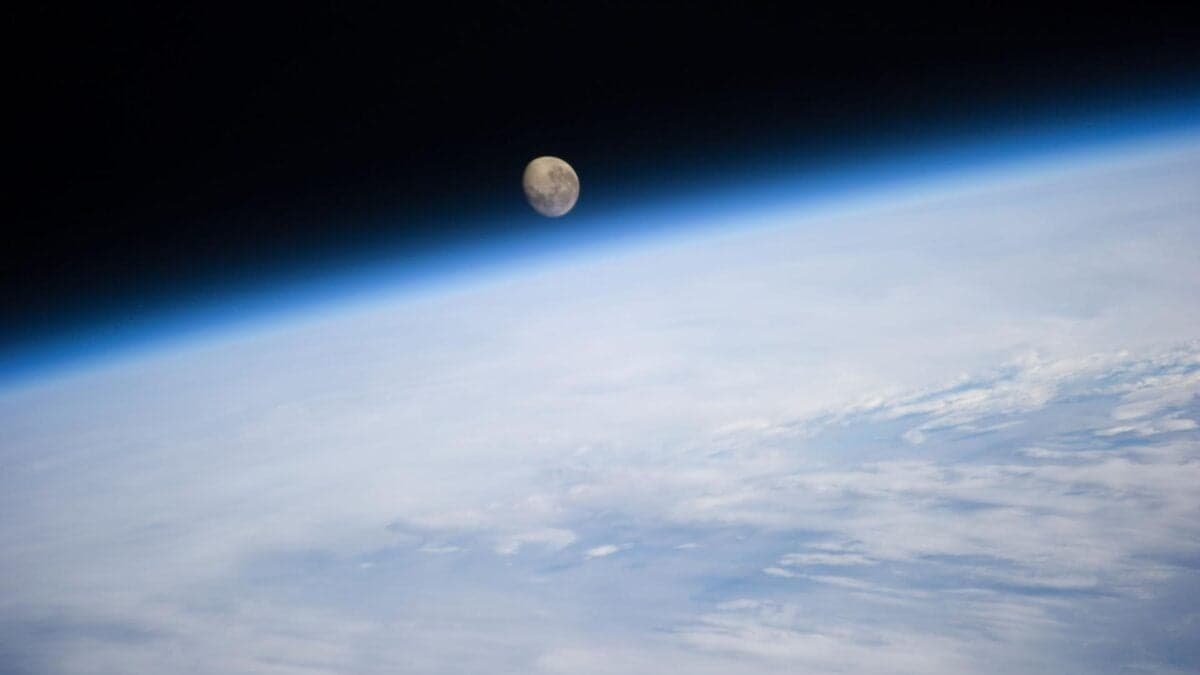
Astronomers report a previously unknown cavity formed by interactions between Earth's magnetosphere and the near‑lunar environment that helps shield parts of the Moon from solar wind and charged particles. The pigeon magnetoreception study suggests animals can detect Earth’s magnetic field in ways not fully understood, providing a biological perspective that complements physical studies of magnetospheric structure and its reach into near‑lunar space. Mapping magnetic fields on the Sun’s far side adds a new tool for identifying solar magnetic structures and active regions that shape solar wind conditions, helping explain when and how such protective cavities form or change.
Entities
ORGGizmodoLOCEarthLOCMoon
Relationship Graph
Click a connection line between nodes to view confidence and evidence.
Nodes: 6 · Connections: 5
Caused by
Led to
Related to
Same event
Press enter or space to select a node. You can then use the arrow keys to move the node around. Press delete to remove it and escape to cancel.
Press enter or space to select an edge. You can then press delete to remove it or escape to cancel.
Click a connection for evidence · click a node to open it
Select a connection to see why these events are linked.