
HealthNewsAPI
Why Google wants to release millions of mosquitoes in the US - dw.com
Overview
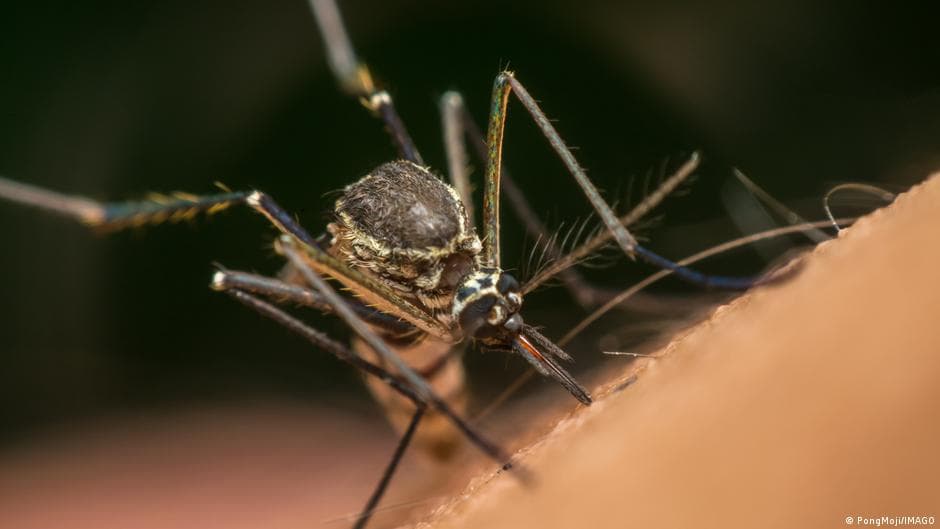
Google's Debug research program plans to release millions of sterile mosquitoes in parts of the U.S. to suppress populations of species that spread diseases such as dengue. The method relies on releasing large numbers of non-biting, sterile males so wild populations produce fewer offspring and decline over time. The proposal has prompted debate about effectiveness, unintended ecological consequences, and whether humans should intervene in ecosystems to control disease vectors. This episode complements other stories about how human-animal interactions—such as wildlife trade—shape infectious disease risk and response strategies.
Entities
ORGGoogleORGDW.comORGDebug (Google research program)
Relationship Graph
Click a connection line between nodes to view confidence and evidence.
Nodes: 2 · Connections: 1
Caused by
Led to
Related to
Same event
Press enter or space to select a node. You can then use the arrow keys to move the node around. Press delete to remove it and escape to cancel.
Press enter or space to select an edge. You can then press delete to remove it or escape to cancel.
Click a connection for evidence · click a node to open it
Select a connection to see why these events are linked.