
ScienceNewsAPI
Astronomers Discovered a Brand-New Type of Planet That Reeks of Rotten Eggs and Defies Planetary Science - The Daily Galaxy
Overview
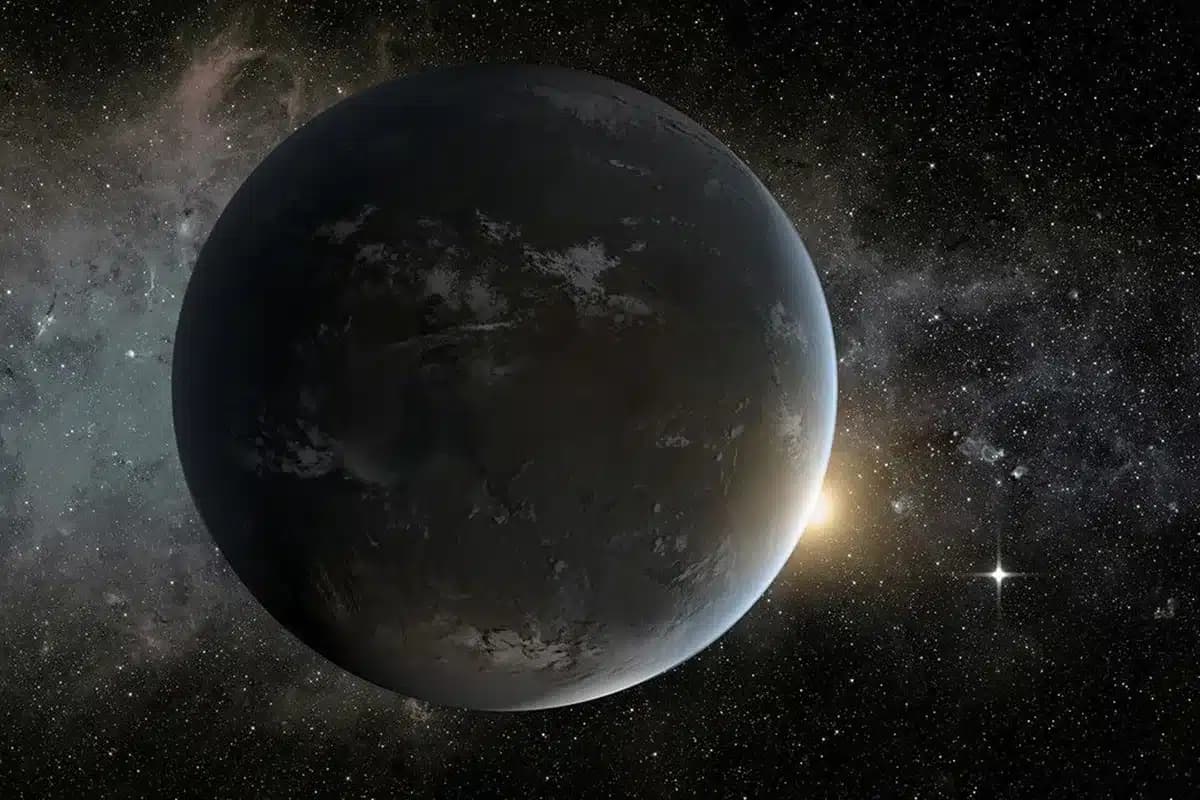
Astronomers have identified a new class of exoplanet with L 98-59 d: a molten world with a sulfur-rich atmosphere that defies existing categories and challenges models of formation, geology, and atmospheric chemistry. That discovery stretched theories about what exoplanet atmospheres can look like, and the finding of twin 'super-puff' planets — extremely low-density, gas-dominated worlds — further widens the known diversity of planets. Together these results force modelers to account for very different evolutionary pathways, from molten surfaces to massive, tenuous envelopes and rapid atmospheric loss.
Entities
ORGThe Daily GalaxyORGNature
Relationship Graph
Click a connection line between nodes to view confidence and evidence.
Nodes: 5 · Connections: 4
Caused by
Led to
Related to
Same event
Press enter or space to select a node. You can then use the arrow keys to move the node around. Press delete to remove it and escape to cancel.
Press enter or space to select an edge. You can then press delete to remove it or escape to cancel.
Click a connection for evidence · click a node to open it
Select a connection to see why these events are linked.