
ScienceNewsAPI
JWST maps the weather on a hot gas giant 700 light-years away - Ars Technica
Overview
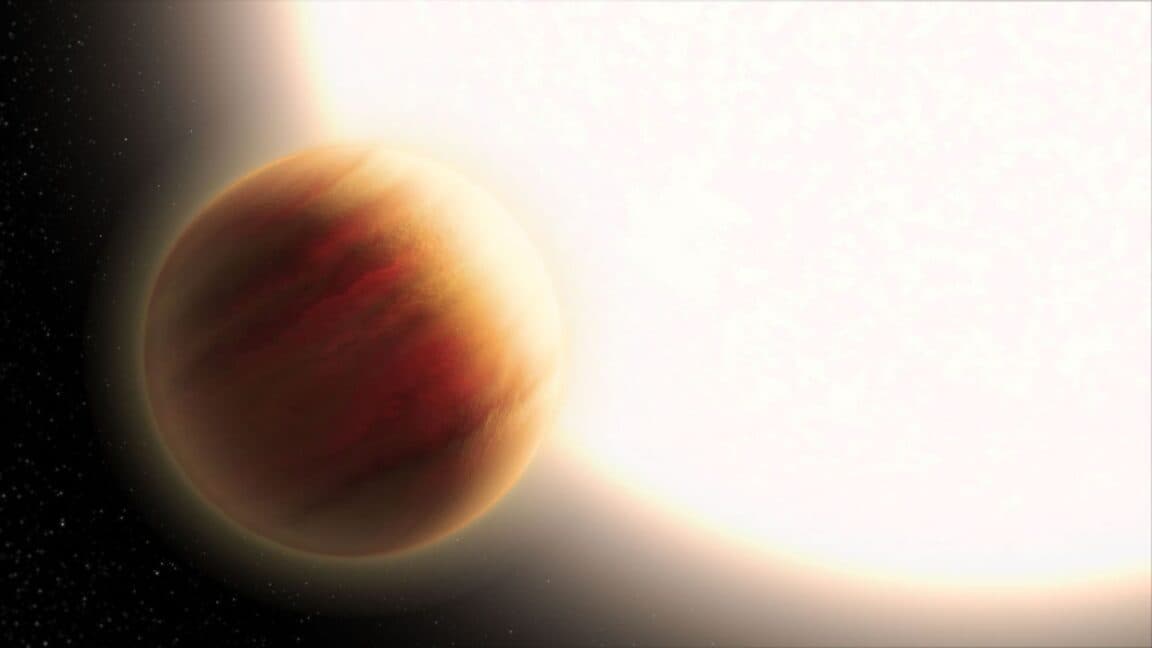
The James Webb Space Telescope produced the first weather map of a hot gas giant about 700 light‑years away, revealing large differences in temperature and composition across the planet. Those contrasts suggest that standard techniques for interpreting exoplanet atmospheres may miss important spatial variability and could bias conclusions. The result adds to a pattern of surprising atmospheric findings and underscores the need for both detailed follow-ups and wider infrared surveys to better understand exoplanet climates.
Entities
ORGArs TechnicaORGJWST (James Webb Space Telescope)LOC~700 light-years (exoplanet)
Relationship Graph
Click a connection line between nodes to view confidence and evidence.
Nodes: 3 · Connections: 2
Caused by
Led to
Related to
Same event
Press enter or space to select a node. You can then use the arrow keys to move the node around. Press delete to remove it and escape to cancel.
Press enter or space to select an edge. You can then press delete to remove it or escape to cancel.
Click a connection for evidence · click a node to open it
Select a connection to see why these events are linked.