
ScienceNewsAPI
Physicists Discover Previously Unknown Crystal Forged During Manhattan Project's Trinity Test - Gizmodo
Overview
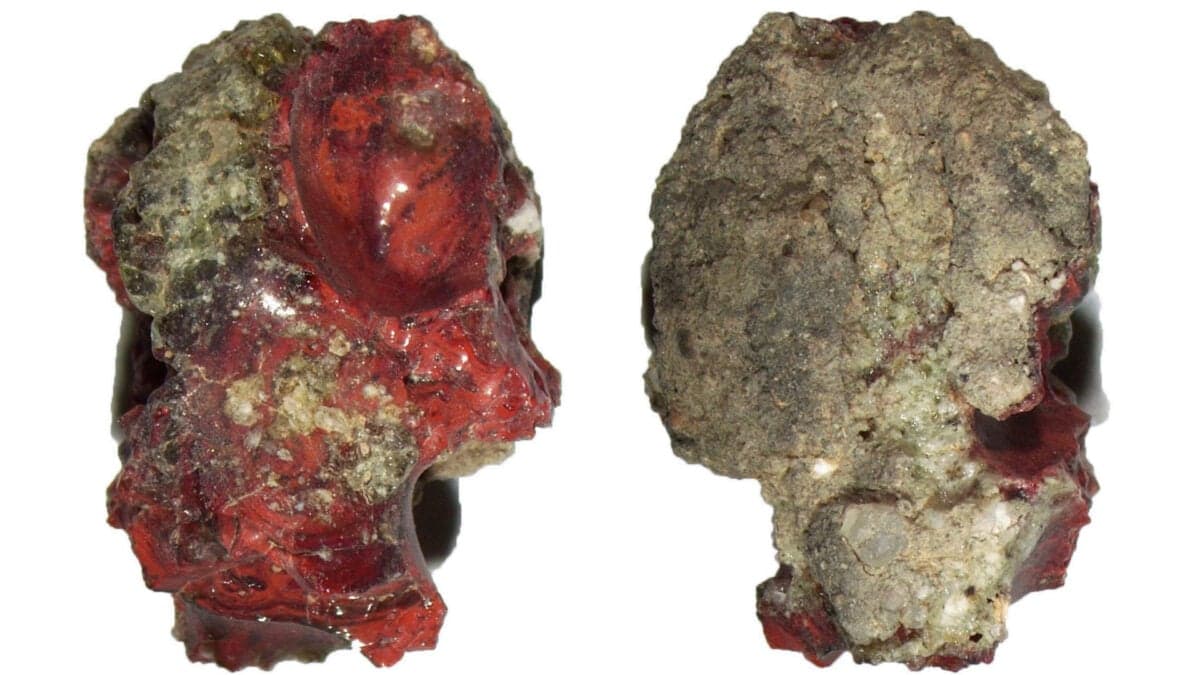
Researchers identified an unexpected crystal created by the 1945 Trinity nuclear test when the blast melted and rapidly cooled copper-rich tower materials and wiring. Its unusual atomic structure could help scientists understand material arrangements important for quantum computing, solar cells and batteries. Like microscopic crystals from meteorites, this human-made grain preserves extreme formation conditions and provides a new specimen for studying how formation history controls functional material properties.
Entities
ORGGizmodoORGManhattan ProjectLOCUnited States
Relationship Graph
Click a connection line between nodes to view confidence and evidence.
Nodes: 2 · Connections: 1
Caused by
Led to
Related to
Same event
Press enter or space to select a node. You can then use the arrow keys to move the node around. Press delete to remove it and escape to cancel.
Press enter or space to select an edge. You can then press delete to remove it or escape to cancel.
Click a connection for evidence · click a node to open it
Select a connection to see why these events are linked.