
ScienceNewsAPI
Curiosity Drilled Into a Rock on Mars And Gave Scientists a Big Surprise - ScienceAlert
Overview
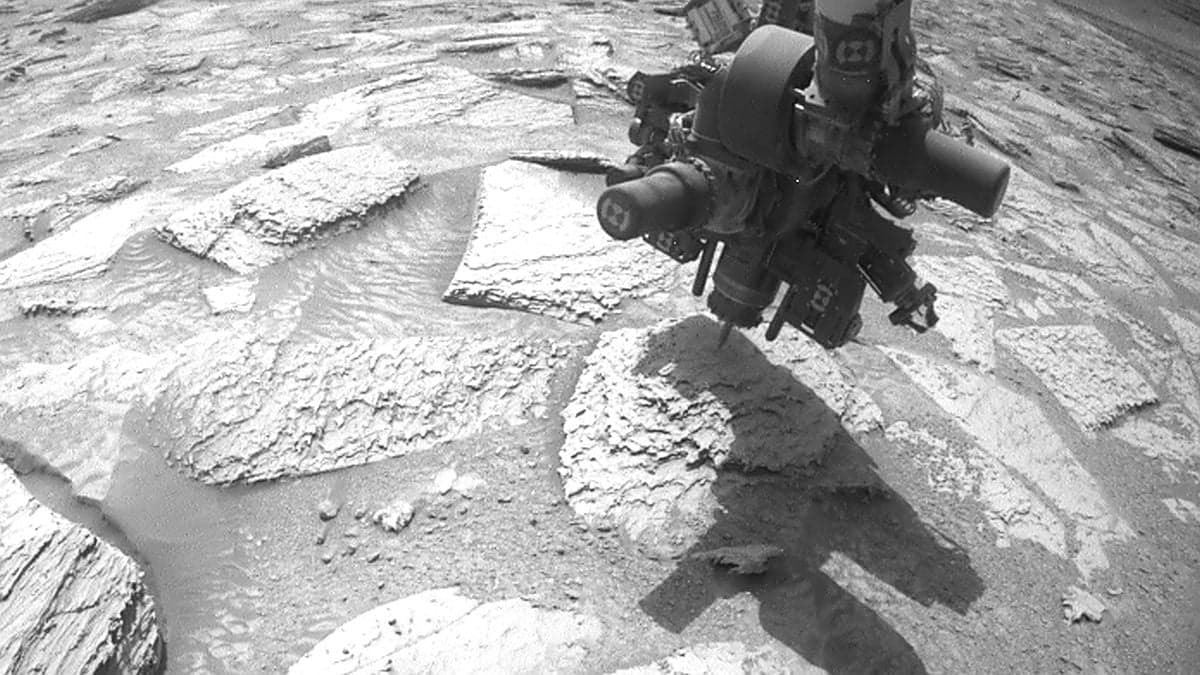
On 25 April 2026 the Curiosity rover drilled into a Martian rock and produced an unexpected result that caught scientists off guard. A subsequent account reports the drilling left a fragment stuck to the rover's arm for about five days before it was shaken off, underscoring surprising mechanical and compositional properties of near-surface rocks. These in-situ observations will help refine how researchers assess surface habitability and plan future sampling efforts, and together with NASA's Psyche gravity-assist flyby on May 15 they illustrate how both surface measurements and orbital maneuvers contribute complementary operational lessons.
Entities
ORGScienceAlertORGCuriosity roverLOCMars
Relationship Graph
Click a connection line between nodes to view confidence and evidence.
Nodes: 4 · Connections: 3
Caused by
Led to
Related to
Same event
Press enter or space to select a node. You can then use the arrow keys to move the node around. Press delete to remove it and escape to cancel.
Press enter or space to select an edge. You can then press delete to remove it or escape to cancel.
Click a connection for evidence · click a node to open it
Select a connection to see why these events are linked.