
ScienceNewsAPI
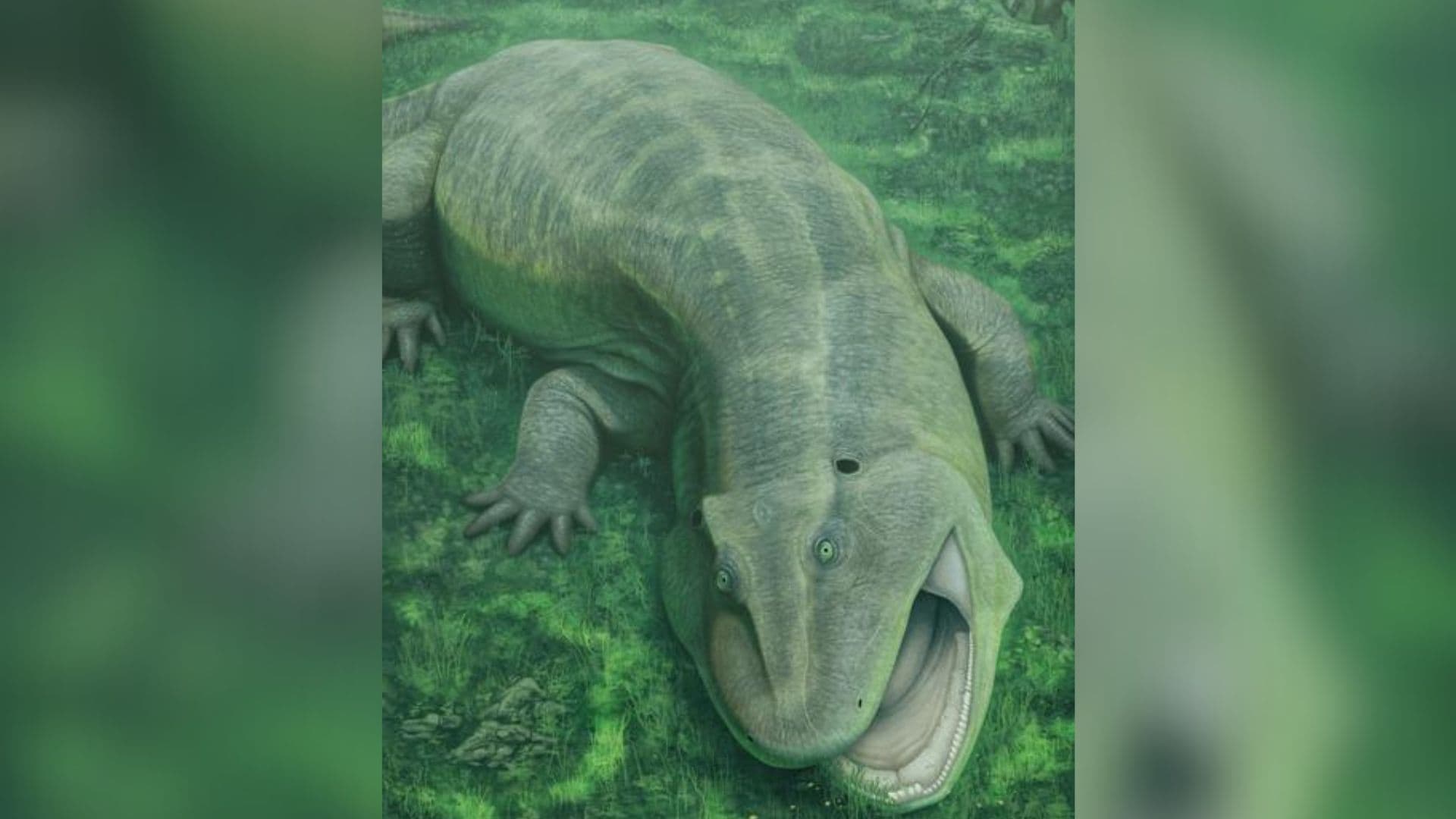
Prehistoric water-dwelling weirdo with sideways teeth and a twisted jaw was already a 'living fossil' 275 million years ago - Live Science
Overview
Scientists described Tanyka amnicola, a newly identified aquatic species from about 275 million years ago with a twisted jaw and sideways-facing teeth, showing highly specialized feeding anatomy. The new giant octopus fossil — possibly 19 metres long and dating to about 100 million years ago — reinforces the pattern that marine animals repeatedly evolved extreme and unusual mouthparts and feeding strategies. Exceptional preservation in both cases lets researchers study how strange anatomical innovations helped these species occupy unique ecological roles.
Entities
PERSONscientistsPERSONTanyka amnicola
Relationship Graph
Click a connection line between nodes to view confidence and evidence.
Nodes: 5 · Connections: 4
Caused by
Led to
Related to
Same event
Press enter or space to select a node. You can then use the arrow keys to move the node around. Press delete to remove it and escape to cancel.
Press enter or space to select an edge. You can then press delete to remove it or escape to cancel.
Click a connection for evidence · click a node to open it
Select a connection to see why these events are linked.